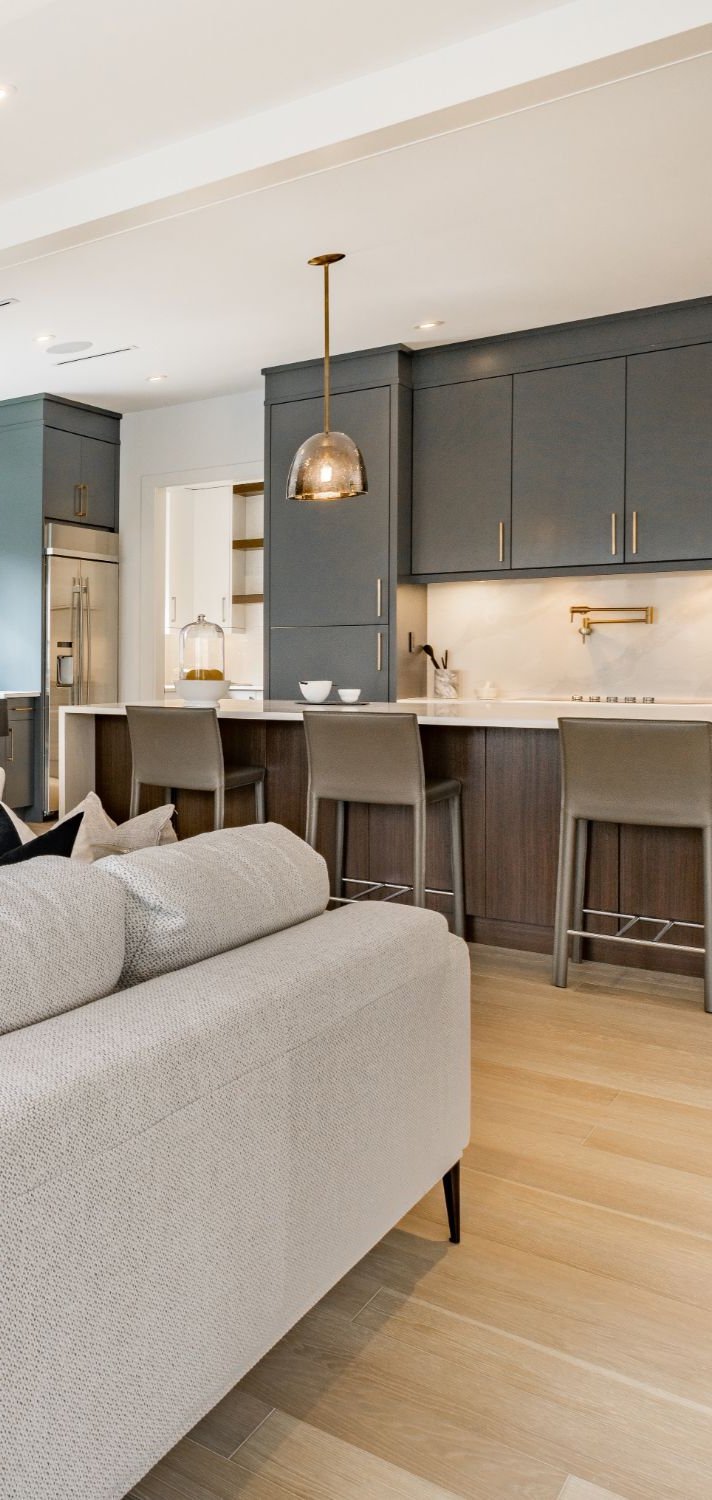
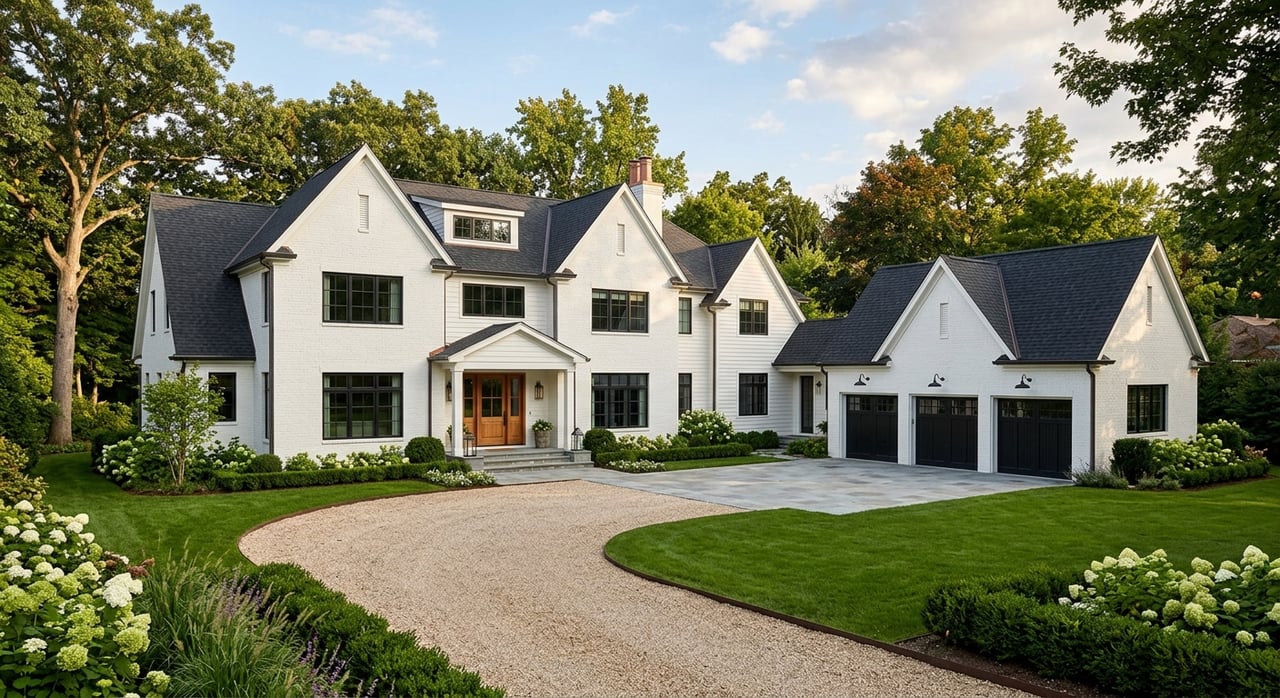
If you picture estate-style living as more than just a big house, Milton, Georgia, deserves a closer look. You may be searching for more land, more privacy, or a daily pace that feels calmer without giving up access to the North Fulton area. In Milton, estate-style living is defined less by one home style and more by space, setting, and how the city has chosen to grow. Let’s dive in.
Milton starts with land
One of the clearest things that sets Milton apart is how much of the city is shaped by land use and lot size. The city describes itself as “rural but not remote,” and says about 85% of its more than 39 square miles is agriculturally zoned. Residential lots generally must be at least one acre, which creates a very different feel from denser parts of metro Atlanta.
That land-first approach is a big reason Milton feels like estate country. According to the 2020 Census, Milton had 41,296 residents across 38.5 square miles of land, for a population density of 1,072.8 people per square mile. Atlanta, by comparison, had a population density of 3,685.7 people per square mile, making Milton much more open and spread out.
Estate-style means space and privacy
In Milton, estate-style living is usually about the full property experience. You are often looking at single-family homes on one-acre or larger lots, with some properties stretching to several acres. That extra room can create long driveways, wooded buffers, larger outdoor living areas, and more separation from neighboring homes.
The city’s planning framework reinforces that pattern. Milton’s future land use categories for Agriculture, Equestrian, and Estate Residential describe scattered single-family homes on at least one acre and typically several acres, with hobby farms, equestrian facilities, and large-lot estates. The same planning language also notes minimum 3-acre lots on gravel roads in some areas.
Milton also defines a large lot as a property of 3 acres or more. The city’s current large-lot efforts are aimed at helping preserve existing parcels rather than encouraging further subdivision. For buyers who want room to spread out, that matters because it supports the long-term feel many people are drawn to in Milton.
What homes typically look like
Estate-style living in Milton is not tied to one exact floor plan or architectural type. Instead, it is more about what the property allows you to do and how it feels when you live there. You may find custom single-family homes with long setbacks, mature trees, broad lawns, and enough room for additional structures or specialized outdoor uses.
Some properties may include features that support a more rural or recreational lifestyle. Based on the city’s land-use categories, that can include hobby farm setups, horse-oriented improvements, or simply land that gives you more flexibility than a typical suburban lot. In practical terms, many buyers are drawn to the privacy, buffer space, and quieter setting that come with these larger parcels.
Equestrian culture is part of Milton’s identity
If horses are part of your vision for estate-style living, Milton stands out in a meaningful way. The city has a formal Equestrian Committee whose mission is to support and protect Milton’s equestrian community. That level of local attention shows that horse properties are not a niche afterthought here.
The city has also said that horse farms are woven throughout Milton rather than concentrated in one isolated pocket. A city-backed Farm Census found more than 200 active horse farms around Milton. For buyers, that helps explain why estate-style living in Milton often carries a true horse-country character instead of just borrowing the look.
Even if you are not looking for an equestrian property, this aspect of Milton still shapes the overall atmosphere. It supports the open views, larger parcels, rural road feel in some areas, and the preservation mindset that many buyers associate with estate living.
Parks and trails add to the lifestyle
Estate-style living is not only about what happens on your property. It is also about the landscape around you and how easy it is to enjoy the outdoors. Milton’s parks and preserves help reinforce that sense of space.
Milton City Park and Preserve includes 137 total acres, with 130 acres in passive use and a 2.5-mile trail loop. Lakhapani Preserve adds another 106 acres of greenspace with a 1.5-mile loop trail. The city also says its parks system includes active parks with fields, playgrounds, trails, and other amenities, along with passive preserves.
Trails are also a city planning priority. Milton has adopted a Trail Blueprint and Trail Prioritization Plan, and residents already use trails in Bell Memorial Park, Birmingham Park, and Providence Park. If your idea of estate-style living includes more fresh air, room to move, and easy access to green space, this is a meaningful part of the picture.
Milton is not all the same
One important thing to know is that Milton is not uniformly rural from edge to edge. While much of the city is defined by large lots and lower density, some areas have a more village-scale, mixed-use pattern. The city identifies Crabapple and Deerfield as form-based code areas, which gives those places a different structure than the classic estate-lot setting.
That matters because your experience can vary depending on where in Milton you focus your search. Some buyers want maximum land and a tucked-away feel. Others want a balance of larger lots with easier access to shops, dining, and community activity.
Daily life feels quieter, not isolated
A common question about estate-style living is whether more land means giving up convenience. In Milton, the answer is usually no. The city’s commercial life is concentrated in a few key nodes rather than spread evenly across the map, which helps preserve the quieter feel while still giving you places to go for day-to-day needs.
Crabapple is often described by the city as the heart of Milton. It is home to City Hall, the Milton Library, community events, and growing development such as Crabapple Market and the Market District. The city also notes three main commercial districts and describes Milton as a place where shopping and dining exist alongside farms and higher-end residential areas.
That setup shapes the daily rhythm. Instead of a dense urban pattern, you get organized commercial pockets that serve the community while much of the city remains more open and residential. For many buyers, that is a big part of the appeal.
Crabapple shows the local pace
If you want a quick feel for how Milton blends convenience with character, Crabapple is a helpful example. Market District Crabapple is described as a distinctive commercial area with restaurants, studios, offices, and more. City events there are presented as having a cool, relaxed, uniquely Milton atmosphere.
Milton Restaurant Week also reflects that the city has a real dining scene, with participating businesses in Crabapple, along Highway 9, in Windward, and in other nearby commercial areas. So while estate-style living in Milton often means more privacy and fewer urban intensities than intown Atlanta, it does not mean you are cut off from local activity.
How Milton compares with intown Atlanta
For many metro Atlanta buyers, the choice is less about city versus suburb and more about what kind of daily environment fits best. Milton offers a much lower-density setting than intown Atlanta. That density difference supports what many people feel right away when they drive through the area: more greenery, more distance between homes, and a slower visual pace.
If your current point of reference is a more compact neighborhood, Milton’s estate-style appeal may come down to three things:
- Larger lots
- Greater privacy
- A stronger connection to outdoor and equestrian land uses
At the same time, Milton remains within the North Fulton market and is roughly 26 to 30 miles from downtown Atlanta. That gives buyers a way to prioritize space without fully stepping away from the broader metro area.
Who estate-style living fits best
Estate-style living in Milton can be a strong fit if you value the property itself as much as the home on it. You may want room for outdoor living, a longer driveway, extra storage or utility space, or simply more breathing room around you. You may also be drawn to a city that is actively planning around preservation of agriculture, equestrian activity, and estate residential patterns.
It can also fit buyers who want a quieter daily rhythm while still staying connected to practical amenities. Milton’s appeal is often about that balance. You get land, privacy, and a more spread-out setting, but not a remote one.
What to watch as you search
Because estate-style living in Milton is shaped heavily by land use, lot size, and location, it helps to look beyond square footage alone. As you compare properties, pay attention to:
- Lot size and usable land area
- The surrounding road pattern and development style
- Proximity to commercial nodes like Crabapple
- Whether the area feels more estate-oriented or more village-scale
- Outdoor features, buffers, and any existing specialty improvements
This kind of search usually benefits from a more detailed property-by-property review. Two homes with similar interior size can offer very different living experiences depending on acreage, setting, and what surrounds them.
If you are exploring Milton because you want more space and a more tailored lifestyle, estate-style living here can offer exactly that. And if you want a local guide to help you compare options and understand how each pocket of Milton feels in real life, reach out to Susan Powell.
FAQs
What does estate-style living in Milton, GA usually mean?
- In Milton, estate-style living usually means single-family homes on one-acre or larger lots, often with more privacy, longer driveways, wooded buffers, and in some cases room for hobby farm or equestrian uses.
How large are estate-style lots in Milton, GA?
- Many estate-style properties in Milton start at one acre, while the city defines a large lot as 3 acres or more, and some areas include parcels that are several acres in size.
Are horse properties common in Milton, GA?
- Yes. Milton has a formal Equestrian Committee, and a city-backed Farm Census found more than 200 active horse farms around the city.
Is Milton, GA fully rural in character?
- No. Much of Milton has a rural, large-lot feel, but areas such as Crabapple and Deerfield have a more village-scale, mixed-use structure.
Is shopping and dining convenient for Milton, GA estate homes?
- Yes. Milton’s shopping and dining are concentrated in key commercial nodes such as Crabapple, rather than spread across dense urban corridors.
How does Milton, GA compare with intown Atlanta for space?
- Milton is much less dense than Atlanta, with 1,072.8 people per square mile compared with Atlanta’s 3,685.7, which generally translates to a more open and spread-out living environment.