
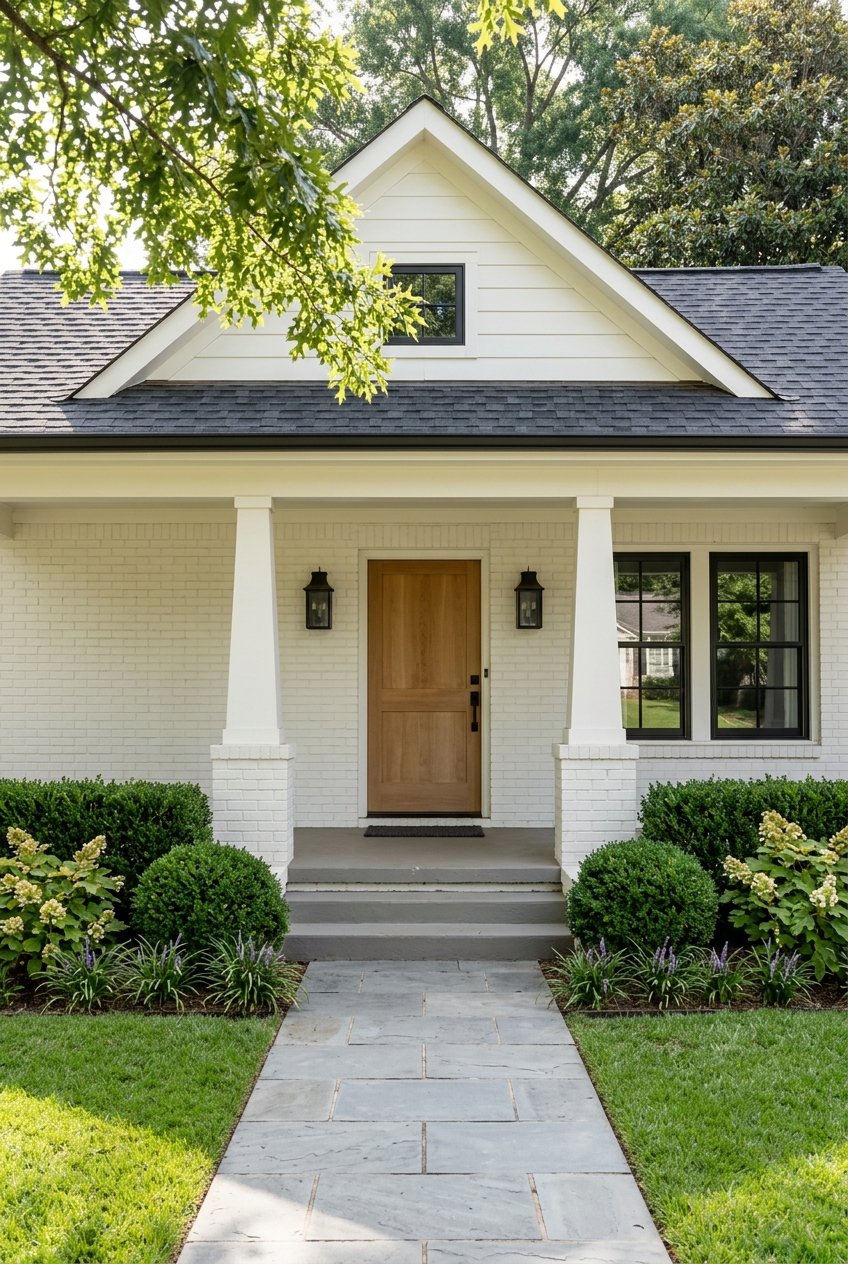
If you own a Decatur bungalow, you probably already know this is not the kind of home you prep for sale with a one-size-fits-all checklist. Older homes here often carry original details that buyers notice right away, and in some cases, city rules matter just as much as design choices. The good news is that you do not need to overhaul everything to make a strong impression. With the right updates, you can protect the home’s character, avoid unnecessary costs, and focus on the changes most likely to help it shine. Let’s dive in.
Why Decatur bungalows need a different plan
Decatur was largely built out in the 1920s, and early-1900s homes, including Craftsman bungalows, remain common across the city. Oakhurst in particular includes many bungalow-style homes, which means buyers often come with clear expectations about charm, layout, and original details.
That matters when you start planning pre-sale work. In Decatur, some homes fall within local historic districts or historic landmarks, where exterior changes may require a Certificate of Appropriateness review so updates stay consistent with historic character.
The city’s residential design guidelines place value on preserving roof shape and pitch, façades, historic windows and doors, porches, foundations, and other original materials. For many sellers, that means the smartest path is usually a preservation-friendly refresh instead of a dramatic redesign.
Check historic district status first
Before you choose exterior updates, confirm whether your bungalow is located in one of Decatur’s local historic districts. The city’s GIS tools and historic preservation resources are designed to help you determine that status.
This is an important first step because exterior work that seems simple can trigger review. Window replacement, roof changes, porch modifications, and other visible updates may need city approval if the home is in a protected area.
If your home is in a district, think in terms of minimal change and maximum polish. The goal is to make the home look well cared for without removing the features that give it value and identity.
Start with the updates buyers notice first
If you are deciding where to spend money, visible and low-disruption improvements usually deserve attention before major remodeling. According to NAR’s 2025 Remodeling Impact Report, REALTORS® most often recommend sellers paint the entire home, paint one room, and replace roofing before listing.
For a Decatur bungalow, the best first round of work is often straightforward:
- Fresh interior paint
- A cleaner, brighter front entry
- Updated light fixtures where needed
- A tidy porch or stoop
- Basic hardware updates
- Deep cleaning throughout the home
These updates support what buyers see immediately, and they typically fit better with Decatur’s preservation-minded guidance than major design changes.
Refresh curb appeal without erasing character
Curb appeal matters for every listing, but it matters even more for a bungalow. Buyers often form their opinion before they walk through the front door, and homes with porches, original trim, and distinctive rooflines benefit from a clean, balanced presentation.
Focus on making the exterior look maintained and welcoming. That can mean touching up paint where appropriate, cleaning the porch, sharpening up landscaping, and making sure the front door and entry hardware feel crisp.
NAR’s 2025 report found that a new steel front door had an estimated 100% cost recovery, while a new fiberglass front door came in at 80%. That does not mean every seller should replace the front door, especially in a historic setting, but it does show how strongly buyers respond to the front entry.
If your bungalow has an original front door that suits the home, preserving and refreshing it may make more sense than replacing it. In Decatur, original materials can be part of the property’s appeal, especially where local guidelines encourage retention.
Keep kitchen updates targeted
It is easy to assume you need a full kitchen remodel before listing an older home. In most cases, you probably do not.
NAR’s 2025 Remodeling Impact Report estimated both a complete kitchen renovation and a minor kitchen upgrade at 60% cost recovery. That suggests scope matters, and bigger spending does not automatically produce a better return.
In a Decatur bungalow, a targeted kitchen refresh is often the smarter move unless nearby comparable sales clearly support a larger investment. You may get more value from:
- Repairing worn surfaces
- Updating cabinet hardware
- Improving lighting
- Replacing dated counters if needed
- Deep cleaning every visible area
- Reducing clutter to improve flow
This kind of update helps the kitchen feel brighter and more functional without over-improving the house for its likely buyer pool.
Be selective with bathroom work
Bathrooms matter, but they are not always the best place to overspend before you sell. NAR’s 2025 report estimated bathroom renovation cost recovery at 50%, which trails simpler high-impact projects like front-door improvements and paint-oriented prep.
That means bathroom work should usually start with condition and presentation. If the room is clean, well-lit, and in solid working order, a lighter refresh may be enough.
Consider practical changes such as:
- Regrouting or recaulking
- Replacing worn mirrors or lighting
- Updating faucets or cabinet hardware
- Repairing visible damage
- Painting if surfaces need freshening
If a bathroom has serious deferred maintenance, that becomes a different conversation. Buyers are less willing to compromise on condition than they were in the past, so visible problems should not be ignored.
Fix deferred maintenance before luxury upgrades
One of the clearest takeaways from NAR’s remodeling survey is that 46% of buyers are less willing to compromise on home condition. That makes visible maintenance issues more important than expensive cosmetic projects that do not change buyer perception much.
Before you spend on trend-driven upgrades, handle the items that raise questions during showings. Peeling paint, worn roof areas, damaged trim, broken fixtures, or aging systems can distract buyers and make the home feel less cared for.
For bungalow sellers, this is often the smartest order of operations:
- Fix visible maintenance issues
- Clean and paint where needed
- Improve entry appeal and lighting
- Refresh kitchen and bath selectively
- Stage key rooms for scale and flow
That sequence helps you protect your budget while improving what buyers actually notice.
Stage the rooms that shape buyer perception
Staging can make a real difference, especially in homes with smaller rooms or more defined layouts. NAR’s 2025 Profile of Home Staging found that 83% of buyers’ agents said staging makes it easier for buyers to visualize the property as a future home.
The same report found that 29% of sellers’ agents said staged homes saw a 1% to 10% increase in dollar value offered, and 49% said staging reduced time on market. Those are meaningful outcomes for sellers trying to balance prep costs with final results.
The rooms most often staged were:
- Living room
- Primary bedroom
- Dining room
- Kitchen
For a Decatur bungalow, staging should support scale, light, and flow. Use lighter furnishings, avoid overcrowding, and let architectural details like windows, trim, porch access, and room proportions stay visible.
Know when to stop improving
This is where many sellers lose money. Once a home is clean, repaired, well presented, and aligned with comparable listings, more work does not always mean better results.
Decatur’s design guidance strongly supports preserving distinctive features and keeping changes compatible with original massing, rooflines, windows, doors, façades, and materials. That is a strong argument against over-improving a bungalow beyond what the surrounding market supports.
If the rest of your comp set reflects mostly refreshed older homes, a high-dollar reinvention may not pay off. In many cases, buyers are looking for charm, condition, and move-in readiness, not a complete loss of historic character.
Watch permits before work begins
In Decatur, permits are not just for major additions. The city says building permits are required for construction, enlargement, alteration, repair, moving, demolition, or change of occupancy. Permits are also required for repairs and maintenance valued at $1,000 or more, as well as roofing or structural work.
Separate trade permits are required for electrical, plumbing, HVAC, gas, drainage, and sewer work. If your home is in a local historic district, city review can add another layer, especially for projects involving windows, roofs, porches, or other visible exterior features.
That means larger scopes should be checked early, not after materials are ordered or work has started. A quick planning step at the beginning can save time, money, and frustration later.
Consider financing for bigger pre-sale projects
If your home needs more than cosmetic work, budget planning matters. NAR’s remodeling survey found that 54% of consumers used a home equity loan or line of credit to pay for remodeling, while 29% used savings.
For some sellers, the right answer is to do only the essentials. For others, a few strategic improvements may be worth pursuing if they help the home show better and compete more effectively.
This is where a clear pre-listing plan matters. Good Living Real Estate can help you think through which updates are likely to strengthen your sale, and Compass Concierge may offer a path for financed pre-sale improvements and staging support when that approach makes sense.
A smart Decatur bungalow strategy
The strongest pre-sale strategy for a Decatur bungalow is usually not the most expensive one. It is the one that respects the home’s character, addresses visible condition issues, and improves how the home feels from the porch to the kitchen.
In practical terms, that often means fresh paint, a polished front entry, selective kitchen and bath refreshes, strong staging, and careful attention to city review and permit rules. When you match the update plan to the home, the location, and the likely buyer expectations, you put yourself in a better position to sell with confidence.
If you are getting ready to sell your Decatur bungalow and want a calm, strategic plan for updates, pricing, and presentation, reach out to Susan Powell for expert guidance tailored to your home.
FAQs
What updates matter most before selling a Decatur bungalow?
- The strongest first steps are usually paint, curb appeal, a refreshed front entry, deep cleaning, and staging, because these are visible improvements supported by seller and staging data.
How do I know if my Decatur bungalow is in a historic district?
- You can confirm district status using the City of Decatur’s GIS and historic preservation resources before choosing exterior projects.
Should I replace original windows in a Decatur bungalow before selling?
- If the home is in a historic district, Decatur’s guidelines favor retaining original windows and other historic materials when possible, and material changes may require city review.
Do I need a full kitchen remodel before listing a Decatur bungalow?
- Not always. NAR’s 2025 data estimated both complete kitchen renovations and minor kitchen upgrades at 60% cost recovery, so a targeted refresh may be enough unless nearby comparable sales support more.
Do Decatur bungalow updates require permits before selling?
- Many do. Decatur requires permits for a wide range of repair, alteration, roofing, structural, and trade work, and homes in historic districts may also need additional review for visible changes.