
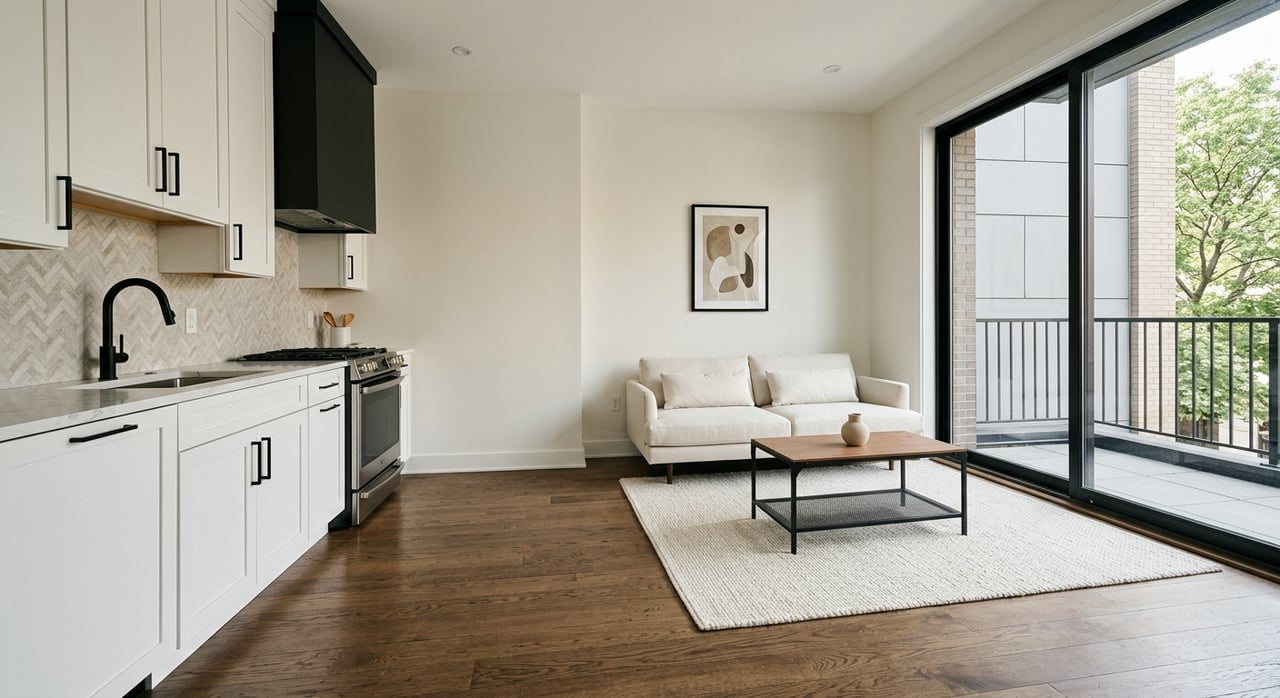
If you are condo shopping in Midtown Atlanta, the building itself can shape your daily life almost as much as the unit. In a walkable, transit-rich area like Midtown, the choice between a high-rise and a low-rise affects how you move through your day, what you pay each month, and what kind of routine feels easiest. This guide will help you compare both options, understand the budget details that matter in Georgia condos, and narrow in on the right fit for your lifestyle. Let’s dive in.
Why building type matters in Midtown
Midtown is built for people who want to be close to where they live, work, and spend time. Midtown Alliance describes the district as mixed-use and walkable, and it reports that 96% of Midtown office buildings are within a 6-minute walk of a transit station. It also notes that 15 miles of streetscape improvements have been delivered since 2000.
That kind of urban setup makes condo living especially appealing, but it also makes building type more important. In Midtown, your experience is not just about square footage. It is also about elevators, parking access, building services, shared amenities, and how much you want your home to feel vertical versus more tucked into the neighborhood.
High-rise condos in Midtown
High-rise condos usually attract buyers who want a more service-oriented city lifestyle. These buildings typically include elevators and often include features like stronger building security, on-site management, and on-site maintenance staff. They are also commonly located in central urban areas, which fits Midtown well.
For many buyers, the biggest draw is convenience. A high-rise can be a strong match if you want a lock-and-leave routine, easy access to transit, and the kind of setup where building operations are handled in a more structured way. Views can also be a major plus, especially on higher floors.
Common advantages of high-rise living
- Elevator access in every building
- More likely to have on-site management or maintenance
- Often stronger building security features
- Better fit for buyers who want a low-maintenance routine
- Big-city feel that matches Midtown’s dense, walkable setting
Common tradeoffs of high-rise living
- Monthly dues can be higher
- You may depend more on shared systems like elevators
- Parking and outdoor space may feel more limited
- Less direct access to green space in some buildings
Those tradeoffs matter because taller buildings are often more expensive to build and maintain. In practical terms, that can show up in your condo dues, reserve funding, and the cost of caring for major systems over time.
Low-rise condos in Midtown
Low-rise condos often appeal to buyers who want a more intimate day-to-day experience. These buildings usually have fewer floors and fewer units, which can make them feel less dense and easier to navigate. In many cases, they also offer quicker access in and out of the building.
That lower-profile setup can be especially attractive if you prefer a simpler routine. You may spend less time waiting on elevators, walking long hallways, or moving through a large shared lobby. In Midtown, that can translate into a more boutique feel while still keeping you close to the same walkable district benefits.
Common advantages of low-rise living
- Easier day-to-day access
- Fewer shared hallways and common areas
- Building may feel quieter or more residential in scale
- Outside space can be easier to access
- Some lower-floor units may have private patios
Common tradeoffs of low-rise living
- Fewer service-style amenities in some buildings
- Less of the classic skyline-view experience
- Building fees are not automatically lower
It is important not to assume a low-rise will always cost less each month. In Georgia condos, the monthly budget depends on much more than height alone, including amenities, insurance, maintenance scope, and reserves.
Condo dues mean more than amenities
One of the biggest mistakes buyers make is treating condo dues like a simple fee for shared perks. In Georgia, condo associations generally handle maintenance, repair, renovation, restoration, and replacement of common elements. The association’s required insurance can also include major building components such as roofs, roof structures, exterior walls, windows, and doors.
That means your monthly dues may be supporting much more than landscaping or lobby upkeep. In many Midtown buildings, they are part of the financial structure that keeps a large shared asset running well. This is one reason two condos with similar square footage can feel very different in total monthly cost.
Georgia law also defines common expenses to include reserve funding. That matters because a building with stronger reserves may stand out more favorably than one with lower dues but more financial pressure ahead.
Parking and outdoor space can be more complex
In Midtown condo buildings, parking spaces and outdoor areas are not always as straightforward as they seem. Under Georgia’s Condominium Act, the association generally handles common elements, while the unit owner is generally responsible for the unit itself and any limited common elements tied to that unit, unless the condo documents say otherwise.
A limited common element is a part of the common elements reserved for the exclusive use of fewer than all units. In plain terms, that can include things like a parking space, patio, or other outdoor area depending on how the condo documents are written. These details matter because assignment, maintenance responsibility, and cost allocation may not work the way you expect just from looking at the listing.
In some cases, upkeep costs tied to those spaces can be specially assessed to the unit or units that benefit from them. That is why it is smart to look beyond whether a unit has parking or outdoor space and ask how those features are legally classified.
How Midtown market conditions shape your choice
The current Midtown market makes due diligence even more important. In March 2026, Realtor.com described 30308 as a buyer’s market, with homes selling an average of 1.72% below asking and a median of 60 days on market. Zillow reported 374 for-sale listings at the end of May 2026 and a median sale price of $357,333 in April 2026.
Zillow also showed a median sale-to-list ratio of 0.982 in April 2026, with 72.6% of sales closing under list price. In a market like that, buyers may look more closely at monthly carrying cost, building condition, and the possibility of future assessments. A condo with strong location, better reserves, and clear building upkeep can stand out more than one relying on price alone.
That does not automatically mean high-rises or low-rises perform better across the board. It means buyers are likely comparing the full picture more carefully. The building’s financial health and daily livability can matter just as much as the list price.
Which condo type fits your lifestyle?
The right answer usually comes down to how you want to live in Midtown. High-rise condos often fit buyers who prioritize transit access, views, building services, and a low-maintenance routine. Low-rise condos often fit buyers who want easier access, a less vertical layout, and a building that feels a little more intimate.
Neither option is automatically better. The best fit is the one that matches your habits, comfort level, and budget. If you are honest about how you move through your day, the right choice usually becomes clearer.
High-rise may fit you if you want
- A service-heavy building experience
- Elevator access as part of daily convenience
- More formal building operations and staffing
- Skyline or upper-floor views
- A true lock-and-leave setup
Low-rise may fit you if you want
- Faster in-and-out access
- Fewer shared corridors and common spaces
- A more neighborhood-scaled feel
- Easier access to patio or outdoor space
- Less reliance on elevators
Questions to ask before you schedule showings
Before you tour condos in Midtown, it helps to get specific about the building as well as the unit. A few early questions can save you time and help you compare options more clearly.
Ask these questions upfront
- How are parking spaces and outdoor spaces classified in the condo documents?
- What do the monthly dues cover?
- How much of the budget goes to reserves and major building systems?
- Are there any current or pending special assessments?
- Does the building’s setup support the lifestyle you actually want?
These questions are especially useful in Midtown because the same walkable location can deliver very different living experiences depending on the building. A polished showing is helpful, but the documents and budget tell you how the building really works.
Choosing between a high-rise and a low-rise in Midtown Atlanta is really about matching the building to your priorities. If you want help comparing Midtown condo options, reviewing the bigger cost picture, and finding the right fit for your routine, Susan Powell can guide you with clear, local advice.
FAQs
What is the main difference between high-rise and low-rise condos in Midtown Atlanta?
- In Midtown, high-rise condos usually offer a more service-oriented, elevator-based lifestyle, while low-rise condos often offer easier access, fewer shared spaces, and a more boutique feel.
Are high-rise condo dues usually higher in Midtown Atlanta?
- They can be, because high-rises are often more expensive to build and maintain, but the actual dues depend on the building’s amenities, insurance, reserves, and maintenance scope.
Why do condo documents matter for Midtown Atlanta buyers?
- Condo documents can determine how parking spaces, patios, and other outdoor areas are classified, maintained, and paid for, which can affect your monthly costs and responsibilities.
Is Midtown Atlanta a good place to compare condo options right now?
- Midtown’s 30308 market was described as a buyer’s market in March 2026, and that can give buyers more room to compare dues, condition, and building financials before making a decision.
What should you review before buying a condo in Midtown Atlanta?
- You should review what the dues cover, how much goes to reserves, whether there are any special assessments, and how parking or outdoor space is handled in the condo documents.