
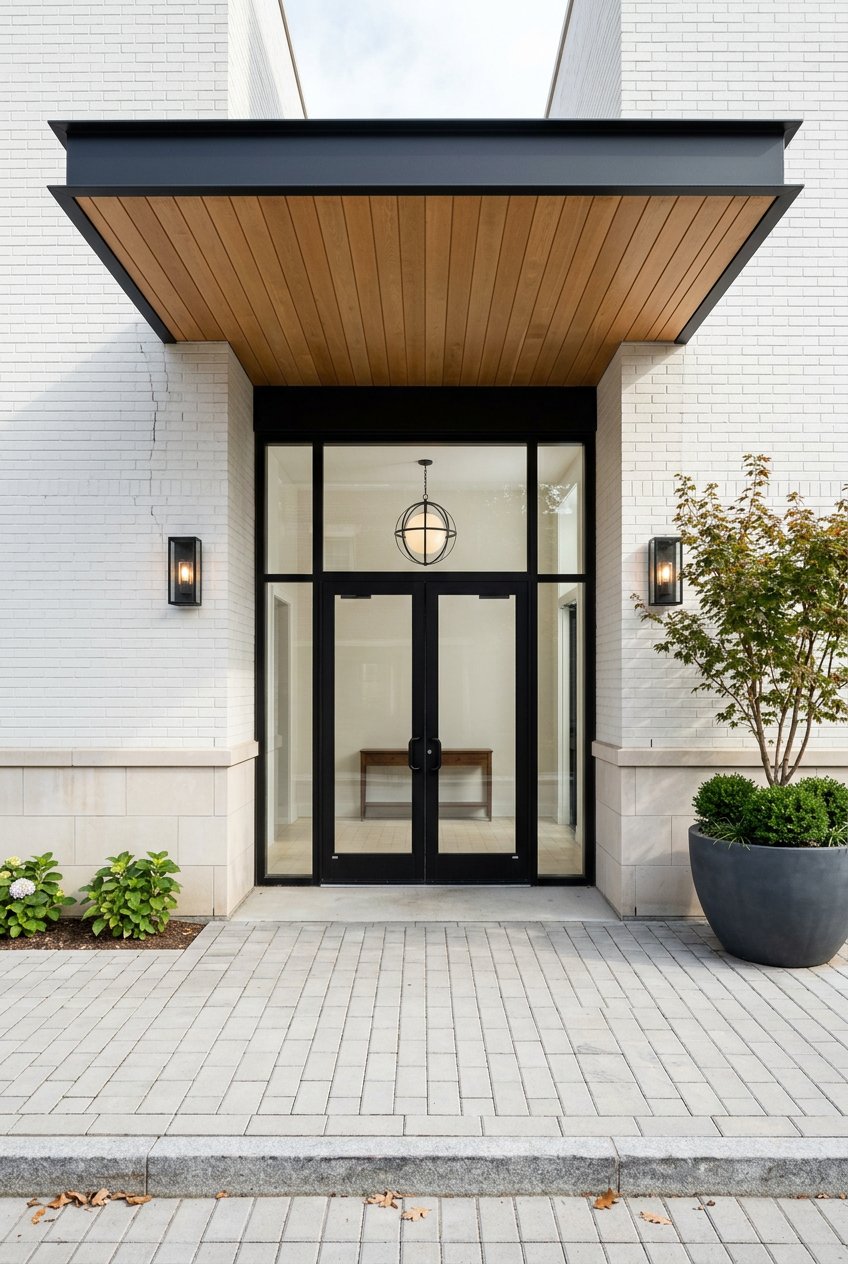
Buying your first condo in Midtown can feel exciting and a little overwhelming. You have towers, amenities, HOA rules, and financing details to sort through, all while staying on budget. In this guide, you’ll learn what prices look like right now, how buildings differ, how condo loans work, and the exact steps to make a strong, low-risk offer. Let’s dive in.
Midtown snapshot: prices and pace
Midtown is Atlanta’s dense arts, business, and residential core centered along Peachtree and West Peachtree and around Piedmont Park. For a quick orientation, review the neighborhood overview from Midtown Atlanta on Wikipedia.
Recent snapshots from consumer portals show a median selling price around 418,000 dollars in early 2026, while median list prices trend in the mid 300-thousands. These sources use different inputs, so numbers vary by method and date. Always confirm the latest MLS comps for the exact building and floor you’re targeting.
Here’s what first-time buyers commonly see in Midtown high-rises:
- Studios and micro-units: roughly low 200-thousands to mid 300-thousands.
- 1 bed, 1 bath: often mid 200-thousands to mid 400-thousands.
- 2 bedrooms: commonly mid 300-thousands to 600-thousand-plus; larger or renovated homes can exceed this.
- Luxury penthouses: high six figures to seven figures in the most desirable towers.
These are ranges only. Your price depends on building, floor height, view, finishes, parking, and recent sales in that stack.
Condo types and amenities you’ll see
Building styles you’ll find
- Newer mixed-use towers with retail at the base and hundreds of condo homes above. A good example is 1010 Midtown, a large, mixed-use development on Peachtree.
- Established high-rises and mid-rises from earlier waves of development, plus smaller boutique buildings. Buildings like 1280 West show what an established high-rise with a large owner base can look like.
Floorplans and typical sizes
Most Midtown towers offer studios, 1-bedroom, and 2-bedroom plans, with occasional larger residences and penthouses. Standard units often range from about 550 to 1,300-plus square feet, with penthouses significantly larger. Large developments such as 1010 Midtown include a wide unit mix and active resale activity that helps with comps.
Amenities to expect
You’ll often see a staffed lobby or 24-7 front desk, fitness centers, resort-style or terrace pools, clubrooms, rooftop or outdoor grilling decks, package rooms, and controlled access. Some buildings add green spaces or rooftop lawns. For a sense of common features in mixed-use Midtown communities, review the Midtown Alliance’s overview for Plaza Midtown.
Parking basics in Midtown towers
Many Midtown condos include assigned, secure parking. In newer buildings, a common pattern is one space per bedroom, but always verify what your specific unit includes. Ask whether parking is deeded or licensed, what guest policies apply, and whether there is EV charging.
HOA dues: what they cover
Monthly HOA fees vary widely by building, unit size, and amenity level. Dues may include water and sewer, building insurance, shared Wi-Fi or cable, on-site staffing, and reserves for capital projects. Before you make a firm offer, read the HOA budget, financials, reserves, CC&Rs, and any current or planned special assessments.
Financing a Midtown condo
Start with building eligibility
Condo financing adds a building-level step. Many conventional loans rely on project eligibility through Fannie Mae or Freddie Mac. Lenders use tools like Fannie Mae’s Condo Project Manager to determine whether a building qualifies for streamlined review or needs a full review. Start this check early when you identify target buildings.
What lenders review in a condo project
High-impact items include owner-occupancy and investor concentrations, HOA dues delinquencies, adequacy of the budget and reserves, the amount of commercial space, proper insurance coverage, and any pending litigation. These factors can render a project non-warrantable, which limits loan options and can require a larger down payment. Review Fannie Mae’s criteria outlined in the Condo Project Manager toolkit with your lender.
FHA and VA approvals
FHA and VA both require project approval for their programs. If you plan to use FHA, confirm whether your building appears on HUD’s approval list or qualifies for a spot approval using the HUD condo lookup tool. Confirm VA building eligibility through your lender as well.
Practical impacts for first-time buyers
If a building is non-warrantable, you may still have options through portfolio lenders or with a larger down payment. Underwriting often takes longer and may include additional documentation. Ask your lender upfront whether they can finance the building and what loan-to-value limits or conditions apply. Align your offer timelines with the project review to avoid surprises.
Step-by-step buying plan
Before you shop
- Get fully pre-approved, not just pre-qualified, for the loan programs you intend to use. Ask your lender to begin a preliminary condo project check for any building on your short list using Condo Project Manager.
- Build a full monthly budget that includes mortgage, HOA dues, property taxes, HO-6 insurance, utilities, and a maintenance buffer. For valuation basics, see the Georgia Department of Revenue’s overview of property tax valuation.
Request the right documents early
From the seller or HOA, ask for the current budget and financials, reserve study or reserve balance, 6 to 12 months of board meeting minutes, the estoppel or resale certificate showing dues and any assessments, the master insurance declaration page, CC&Rs and bylaws, rental policies, and any litigation disclosures. NAR’s consumer-oriented guide provides a solid checklist in its condo buyer resources.
Inspections that matter for condos
Schedule a general home inspection for the unit, and consider building-specific evaluations if the age or repair history suggests structural or systems concerns. Look for evidence of water intrusion, HVAC condition, elevator service, and recent or planned capital projects. The NAR resource above outlines common condo due diligence.
Red flags to slow or pause
Proceed carefully if you see thin reserves, HOA delinquency rates above roughly 10 to 15 percent, unresolved litigation affecting common elements, excessive commercial space, or rental policies that conflict with your loan program. Ask your lender to review the Fannie Mae project criteria and confirm whether portfolio financing could work if needed.
Make a competitive Midtown offer
- Present a strong pre-approval or verifiable funds. Earnest money of about 1 to 2 percent is common, with higher deposits sometimes used to signal commitment.
- Match the seller’s preferred closing timeline where possible, and keep contingencies tight but safe.
- Use escalation clauses carefully. They can help in bidding situations but may reveal your maximum.
- Include a clause requiring delivery of the full HOA estoppel or resale package and financials within a set timeframe. Coordinate your inspection period with your lender’s condo project review so financing does not fail late in escrow.
Closing costs and taxes in Georgia
Expect buyer closing costs in the low single digits of the purchase price, depending on lender and program. Budget for state and local recording or transfer taxes and mortgage intangible taxes. For valuation context and to plan your annual tax estimate, see Georgia’s property tax valuation. Ask your lender and closing attorney for a detailed estimate of fees.
Building spotlights to start your search
- 1010 Midtown. A large mixed-use tower on Peachtree with an extensive amenity package and retail below. See the developer overview for 1010 Midtown to understand the project scale and features.
- Viewpoint Atlanta. A high-rise on Peachtree known for a full suite of amenities and active intown lifestyle. Explore the building site at Viewpoint Atlanta.
- Spire Midtown. A Peachtree corridor tower with an active resale market and a range of 1 and 2-bedroom plans. Confirm current HOA dues, parking type, and rental policies with the HOA before you write.
- 1280 West. An established high-rise community with a large owner base and typical Midtown amenity mix. Verify deeded vs licensed parking, current reserves, and any planned capital projects.
For each building, confirm FHA or VA status using the HUD condo lookup tool and ask your lender to run a Condo Project Manager check early.
Quick first-time buyer checklist
- Get fully pre-approved and ask your lender to check project eligibility early.
- Build your monthly budget with HOA dues and taxes included.
- Request the HOA estoppel or resale certificate, budget, reserves, minutes, insurance, and CC&Rs.
- Inspect the unit and review building repair and reserve history.
- Watch for red flags: thin reserves, high delinquencies, litigation, or rental caps that block your loan.
- Align offer timelines with lender project review. Keep contingencies tight but safe.
- Confirm closing costs and annual tax estimates with your lender and attorney.
Buying your first Midtown condo should feel exciting and well-managed, not stressful. As a boutique Compass team, we help you shortlist the right buildings, verify financing paths, and write clean, competitive offers that protect your interests. If you’re ready to start, reach out to Susan Powell for a focused Midtown buying plan.
FAQs
What are current Midtown Atlanta condo prices?
- Recent snapshots show a median selling price around 418,000 dollars in early 2026, with median list prices in the mid 300-thousands, but always confirm the latest MLS comps for your building and floor.
How do FHA loans work for Midtown condos?
- FHA generally requires building approval or a spot approval; check the building’s status using HUD’s condo lookup tool and confirm options with your lender before you write an offer.
What condo amenities are common in Midtown Atlanta?
- Many towers offer staffed lobbies, fitness centers, pools, clubrooms, outdoor grilling spaces, and controlled access, with some adding greenspaces or rooftop lawns; verify the specific list for your target building.
How do HOA dues affect my monthly payment in Midtown?
- HOA dues vary widely and can include utilities, insurance, staffing, and reserves, so they can meaningfully change your monthly cost; review the budget, reserves, and any assessments before committing.
What should I know about parking in Midtown condo buildings?
- Many buildings offer assigned, secure parking, sometimes following a one-space-per-bedroom pattern in newer towers; confirm whether your space is deeded or licensed, plus guest and EV charging rules.
How can I make a competitive first-time buyer offer in Midtown?
- Pair a strong pre-approval with reasonable earnest money, flexible closing, concise contingencies, and a clause requiring prompt HOA documents; align your inspection window with your lender’s condo project review to reduce risk.