Outgrowing your starter home but not your love for in-town living? If you want more bedrooms, a real home office, and a yard while staying close to Atlanta, Decatur deserves a serious look. You care about walkable amenities, reliable schools, and a reasonable commute — and you want to choose with confidence. This guide shows you how Decatur works for move-up families, from neighborhoods and housing types to commutes, schools, renovation rules, and smart buying strategies. Let’s dive in.
Why move-up buyers choose Decatur
Decatur offers a small-city feel with a lively downtown, neighborhood village centers, and a well-regarded public school district. You’ll find a mix of historic homes and newer infill, which gives you options at different sizes and price points. Many families like the walkable blocks near the square and the steady calendar of local events. The main trade-off is space versus location, since lots are smaller close to the core and competition can be strong for the most convenient streets.
Day-to-day life and amenities
Downtown Decatur Square
The Decatur Square is the city’s social hub, with cafes, restaurants, and independent shops in a compact, pedestrian-friendly setting. Community festivals and seasonal events give the area an active, civic feel. Grocery options and daily services are close, which makes after-school errands simple. If you value easy walks to dinner and playgrounds, this area sets the standard.
Parks and recreation
You’ll find neighborhood parks, playgrounds, and fields throughout the city, plus access to regional trails and greenspace. Browse facilities and programs through the official City of Decatur Parks and Recreation resources. Families often combine local parks with nearby county and Atlanta trail systems for weekend outings. Program sign-ups and field schedules can shape weeknight routines, so plan ahead.
Walkability and biking
Blocks closest to the square are some of the most walkable inside I-285. Sidewalk coverage is generally good near village centers and varies as you move farther out. Bike lanes and traffic-calming features differ by street, so you will want to test your preferred routes. Tools like Walk Score can help you compare block-level walkability when you narrow your search.
Neighborhood snapshots for families
Near the Square
Streets near downtown blend historic single-family homes with some townhomes and small-lot infill. You trade larger yards for short walks to dining, parks, and transit. Inventory can be tight, so it helps to act fast when a well-located home that fits your space needs becomes available. Expect classic architecture and thoughtful additions.
Oakhurst
Oakhurst offers a neighborhood center with cafes and a laid-back, community-forward vibe. Housing includes early-20th-century bungalows, cottages, and newer infill on smaller lots. Many homes have expansions for modern kitchens and primary suites. Walkability is strong around the village core and nearby parks.
Winnona Park
Winnona Park features tree-lined streets with cottages, bungalows, and foursquares that have often been updated. You’ll find modest lots, period details, and smart interior reconfigurations to maximize space. Some blocks are within comfortable walking distance to the square, while others rely more on biking or a short drive. Buyers often seek homes with second-story additions or finished basements here.
East Decatur area
East Decatur includes residential pockets near commercial nodes and transit connections. Housing is a mix of older single-family homes, townhomes, and newer small-lot builds. Walkability depends on the specific block, so map your daily routes for school, transit, and errands. This area can offer a balance of access and relative value compared to the most central streets.
Housing types and ways to get space
Common home styles
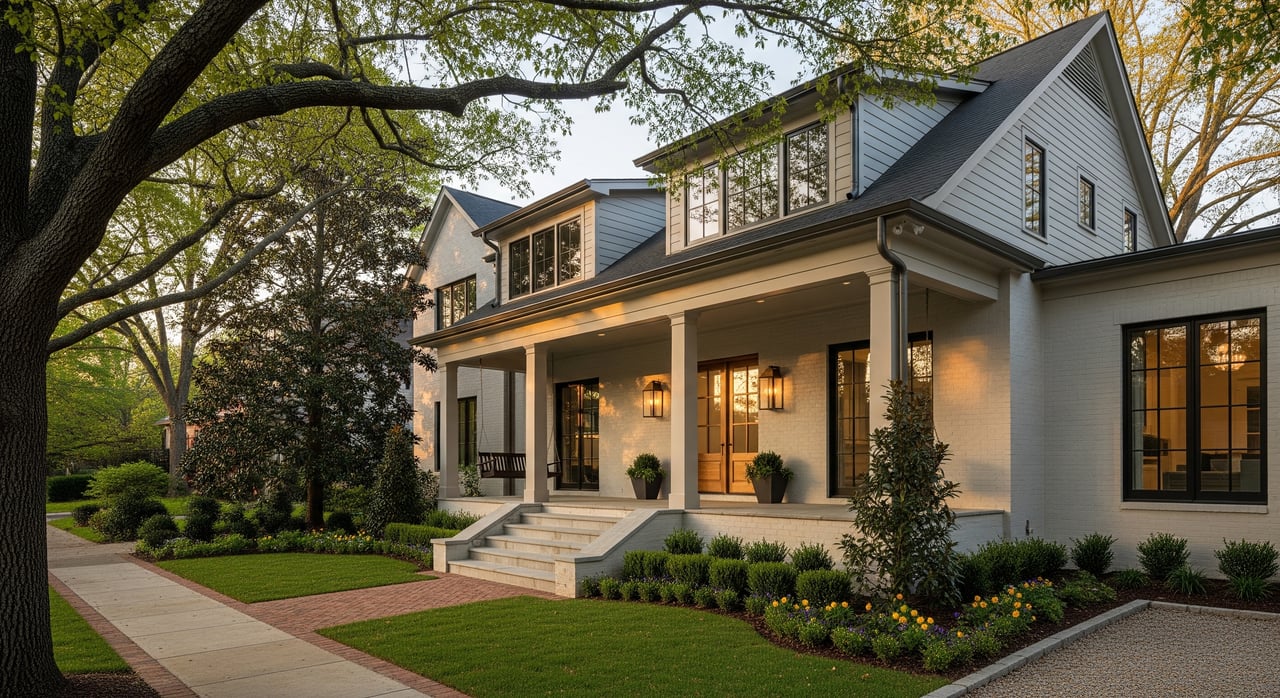
Decatur’s core housing stock includes Craftsman bungalows, foursquares, and cottages from the early 1900s. You’ll also see mid-century ranches, townhomes, and new construction on smaller in-town lots. Many move-up buyers target homes that already have additions or are good candidates for expansion. Second-story builds, rear additions, and basement finishes are common strategies.
Lots and room to grow
Lots close to village centers are often smaller than suburban parcels, which affects yard size and setbacks. Some buyers choose a larger home on a modest lot to keep walkability. Others look slightly farther out for more land while staying in or near Decatur. If your wish list includes a big backyard, weigh that against your commute and daily walkability goals.
Renovation and systems
With older homes, plan for updates to HVAC, plumbing, electrical, and sometimes structural elements. Typical projects include adding a second full bath, expanding kitchens, and creating a mudroom for better storage. Finishing attics or basements can deliver a playroom or office without enlarging the footprint. A renovation-capable mortgage can help fund upgrades after closing.
Historic districts and design review
Some areas fall under local historic-preservation review, which can affect exterior changes, additions, and demolition. Before pursuing a second story or a major exterior project, review requirements through the City of Decatur Planning and Historic Preservation resources. District maps and design guidelines provide the rules of the road. Build timelines should factor in approvals and permitting.
Commutes and getting around
MARTA access
Decatur is served by MARTA rail and bus routes, making transit a realistic option for many commuters. The Decatur Station connects you to Midtown and Downtown without parking hassles. For current routes, schedules, and fares, check MARTA rail and bus routes. If you work near a rail stop, this can be a major quality-of-life upgrade.
Driving patterns
Decatur sits east of Atlanta’s core. Key routes include Ponce de Leon Avenue and Scott Boulevard toward Atlanta, Clairemont Avenue for north-south travel, and I-285 for regional trips. Drive times vary by time of day and regional congestion. The Atlanta Regional Commission provides helpful regional commute insights as you plan.
Airport access
Hartsfield–Jackson Atlanta International Airport is reachable by car via I-285 and the connector, or by MARTA with transfers depending on your line. Travel times can swing with traffic, so test your route at typical departure hours. If you fly often, proximity to rail can simplify airport trips.
School-day logistics
School and daycare drop-off times create short, predictable waves of neighborhood traffic. Map your morning routes to see how they line up with your preferred neighborhoods. Small adjustments in location can make a big difference in daily convenience. Consider how parks, activities, and aftercare fit your pattern too.
Practical planning: schools, taxes, permits
Schools and programs
Decatur City Schools is a distinct, locally governed district. For current enrollment, boundaries, and achievement data, consult the official Decatur City Schools district. Private and charter options across metro Atlanta may factor into your decision. Always confirm school assignments directly with the district.
Property taxes and services
Homeowners in the city limits pay both DeKalb County and City of Decatur taxes and fees, while unincorporated addresses follow county services. Utility billing and solid waste vary between jurisdictions. Verify current tax details and service coverage with the City and DeKalb County government. This helps you model your monthly budget accurately.
Zoning, permits, and approvals
Zoning rules and permit requirements shape what you can build, how large, and how close to lot lines. Historic districts add design review for certain exterior changes. Start with the City’s planning and permitting resources, and confirm county-level requirements as needed at the DeKalb County government. Early due diligence helps avoid surprises.
Insurance and flood risk
Flood risk is property specific. Review parcel-level floodplain information using county resources and discuss coverage with your insurance agent. The DeKalb County government site provides maps and guidance to get you started. Premiums can vary by location and home features.
Market dynamics and buying strategy
In the most walkable blocks near the square and village centers, inventory is often limited and competition can be strong. Homes with three to four bedrooms, a functional layout, and off-street parking tend to attract steady interest. Proximity to amenities supports demand and can help with long-term price resiliency. Planning and preparation are key if you want the best fit at the right price.
Financing your move-up
Coordinating the sale of your current home with a purchase takes strategy. Some buyers use bridge loans or sale contingencies to manage timing. Renovation-capable loans, such as FHA 203(k) or conventional renovation mortgages, can fund upgrades after closing. Discuss options early with a trusted lender so your offer and improvement plan align.
Resale-minded choices
When you evaluate homes and plan improvements, think like a future buyer. Bedroom and bathroom counts, a practical floor plan, usable outdoor space, and off-street parking boost appeal. Well-executed additions that blend with the original architecture tend to show best. Location close to village amenities remains a consistent draw.
Move-up checklist
- Define your must-have space: bedrooms, baths, office, playroom, storage.
- Rank location goals: walkability to the square or villages, yard size, transit access.
- Review schools and confirm boundaries with the district.
- Check zoning, permits, and any historic-preservation rules before planning additions.
- Map commute and school-day routes at your typical times.
- Set a budget that includes repairs, systems updates, and possible renovations.
- Explore financing options early, including bridge and renovation loans.
- Prioritize resale features: layout, parking, outdoor living, and proximity to amenities.
Next steps
Tour neighborhoods at different times of day and test your routes to work, schools, and parks. Review the city’s planning resources, historic-district information, and school boundaries before you write an offer. If you are selling to buy, align your pricing, listing prep, and timelines so your move is seamless. When you are ready for a clear plan and skilled representation, connect with Susan Powell for a calm, organized path to your next home.
FAQs
How walkable is living near the Decatur Square?
- Blocks closest to the square are among the most walkable in the area, with walkability generally decreasing as you move outward; compare blocks using tools like Walk Score.
Which Decatur neighborhoods balance space and access?
- Near the square offers top walkability on smaller lots, Oakhurst and Winnona Park provide classic homes with common additions, and East Decatur can blend access with relative value depending on the block.
How do historic-district rules affect renovations in Decatur?
- Exterior changes, additions, and demolition in local historic districts may require review and approval, so start with the City of Decatur Planning and Historic Preservation resources before designing.
What commute options do Decatur residents have to Midtown and Downtown?
- Many commuters use MARTA rail from Decatur Station or drive via Ponce de Leon, Scott Boulevard, and I-285, with times varying by congestion; check MARTA routes and schedules for rail access.
How do property taxes work for homes inside the city?
- City addresses pay both City of Decatur and DeKalb County property taxes and fees, while unincorporated areas follow county-only services, so confirm details with the DeKalb County government.
What upgrades add the most resale appeal in Decatur?
- Additional bedrooms and baths, a functional family layout, off-street parking, and outdoor living space typically help, with proximity to village amenities supporting long-term demand.